Skip to content


A red light bed makes a strong first impression. You walk into a wellness studio or spa, lie down inside a glowing capsule that looks like it belongs on a spaceship, and emerge feeling like you've done something premium for yourself. The experience is genuinely nice. But a lot of people walk out assuming the bed itself is doing something a home device never could — that the magic is in the machine. It usually isn't. Once you understand what's actually happening inside that capsule, the case for recreating it at home gets surprisingly strong.
What a Red Light Bed Really Is
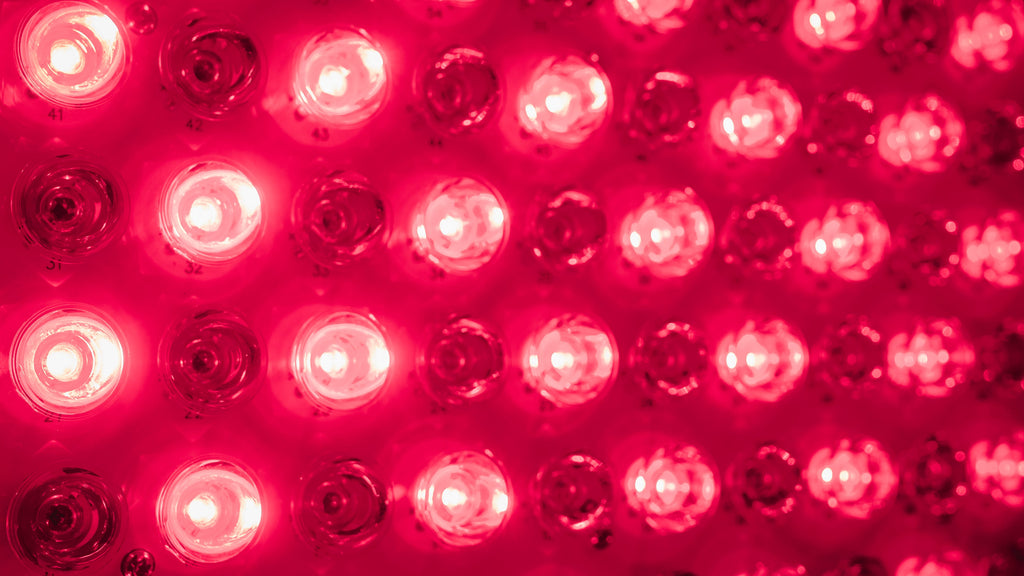
Strip away the design and a red light bed is a large array of LEDs emitting red and near-infrared wavelengths, arranged so they surround your body while you lie down. That's it. The same fundamental technology — the same wavelengths, the same mechanism — as a quality home panel. The bed's main advantages are coverage and convenience of position: a lot of light hitting a lot of your body at once while you lie still. Those are real perks. But they're features of scale and shape, not a different or superior kind of light. The biology doing the work is identical to what a good panel delivers.
The Wavelengths Don't Know Where You Are
This is the heart of it. Red light therapy works because specific wavelengths — around 660nm and 850nm — are absorbed by your cells and, research suggests, help them improve skin texture and build collagen over consistent sessions. Your mitochondria respond to the wavelength and the dose. They have no idea whether the LEDs are mounted in a spa capsule or a panel on your bedroom wall, whether you paid per session or once, whether there's ambient music playing. A photon of 660nm light delivered at an effective intensity does the same thing to your skin regardless of the building it's delivered in. The premium feeling of the spa is real; the premium biology is a myth.
Orion light panels are engineered with clinical-grade wavelengths (660nm red + 850nm near-infrared) at therapeutic irradiance levels proven in peer-reviewed research. Purpose-built for results — not aesthetics.
Shop Orion Light Panels →Why the Spa Wants You to Believe It's Special
It's worth being a little clear-eyed about incentives. A studio that has invested in an expensive bed needs you to come back, ideally on a recurring basis, which means it benefits from the impression that what happens inside its capsule can't be replicated anywhere else. That's not a conspiracy — it's just how a per-session business model works. But it does shape the way the experience gets sold to you, with language about proprietary technology and premium results that can make a perfectly good home option sound like a compromise.
Hold onto the physics and the marketing loses its grip. The bed is an array of LEDs emitting the same wavelengths your cells would respond to anywhere. The ambiance, the design, the sense of occasion are real and sometimes worth paying for now and then — but they're the experience, not the medicine. Once you separate the two, you can enjoy an occasional spa session for what it genuinely offers while building your actual, results-producing practice somewhere far more convenient and far less expensive: at home, on your own terms.
The Real Difference Is the Math, Not the Magic
Where the bed and the home panel genuinely diverge is cost and consistency — and not in the bed's favor. Red light therapy rewards repetition. The benefits in the research came from sustained sessions over weeks, because the effect follows a sweet-spot dose principle: you need to clear an effective dose and then keep showing up. A spa bed bills you per visit, which quietly pressures you to go less often than the protocol actually wants. Add the booking, the commute, and the scheduling around someone else's hours, and the practical result is the same one that undermines every clinic-based approach: you don't go enough, and the results never compound. A home panel inverts that. One purchase, unlimited sessions, on your schedule, in the time it takes your coffee to brew.
What You Give Up — and What You Don't
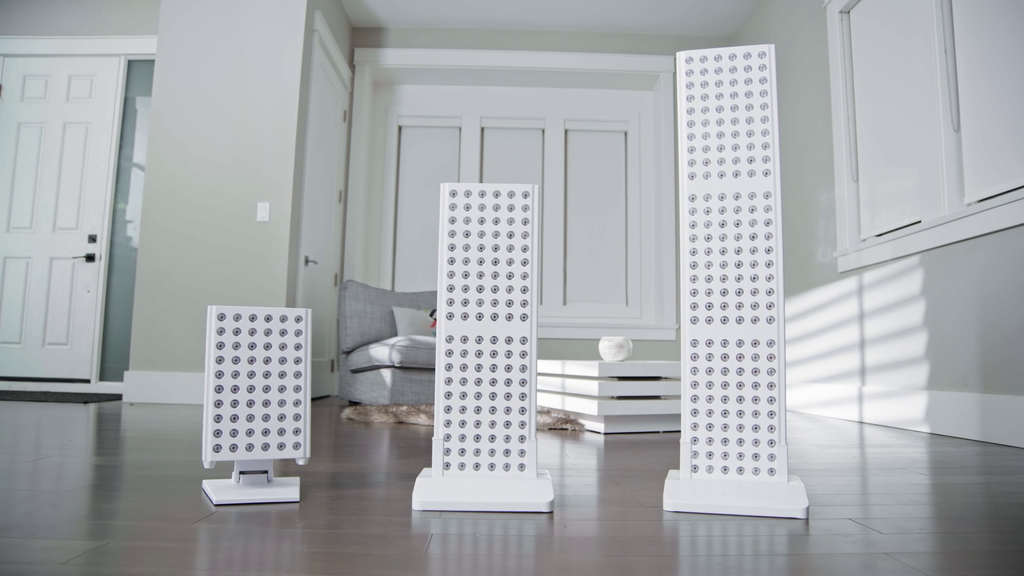
Let's be fair to the bed. You do give up a few things by going home. There's the full-surround coverage of lying inside an array, the spa ambiance, and the sense of occasion. For some people, that ritual and the hands-off comfort are worth paying for occasionally, and there's nothing wrong with enjoying it. But what you don't give up is the thing that matters most: the actual therapeutic light. A quality panel delivers the same research-backed wavelengths at meaningful intensity, can be repositioned to cover your body, and works on your face, back, shoulders, or anywhere else — as often as you like. You trade ambiance for access, and access is what produces results.
How to Get Bed-Level Results at Home
Recreating the meaningful part of the spa experience is straightforward. Choose a panel that clearly states both 660nm and 850nm wavelengths and delivers genuine intensity. Use it at the recommended distance and session length so you hit the effective dose, and reposition through a session if you want broader coverage. Most importantly, use the freedom of ownership — the whole advantage of being home is that consistency finally becomes realistic. During facial sessions, keep the simple comfort habit: we recommend wearing protective eyewear during close facial sessions — not because red or near-infrared light has been shown to harm healthy eyes, but as a standard precaution against prolonged direct exposure to high-intensity LEDs at close range, and to keep sessions comfortable. For the full how-to, our complete guide to red light therapy walks through dosing and positioning.
Running the Actual Numbers
It's worth doing the arithmetic people skip in the glow of a nice spa visit. Red light therapy rewards frequency, so imagine using a bed at the cadence the research actually favors — say, a few sessions a week. At per-visit spa pricing, that adds up to a recurring monthly cost that continues indefinitely, on top of the time spent booking, driving, and fitting yourself into the studio's hours. Stretch that across a year and the spend is substantial, and the convenience friction quietly pushes most people to go less often than they intended, which undercuts the very consistency that produces results.
A quality home panel is a single up-front cost that then makes every future session essentially free and immediate. Within a matter of months, the math tends to favor ownership outright — and that's before you account for the sessions you'll actually complete because there's no booking standing between you and the light. The spa is a lovely occasional experience. As a primary, repeated practice, it's the more expensive and less consistent path to the same wavelengths.
FAQ
Is a spa red light bed more powerful than a home panel?
A bed offers more surround coverage, but the wavelengths and mechanism are the same as a quality home panel. "More powerful" usually means more area covered at once, not a fundamentally stronger or different kind of light.
Can I really get the same benefits at home?
The same therapeutic wavelengths, yes — and often better real-world results, because owning a panel makes the consistent, repeated use the research depends on far more achievable than per-session spa visits.
The Capsule Was Never the Point
It's easy to be impressed by the spaceship aesthetic of a red light bed, and there's real pleasure in the experience. But the part that actually changes your skin and supports your body was never the capsule — it was the wavelengths and your willingness to show up for them regularly. Bring that home and you keep everything that matters while shedding the cost and friction that quietly sabotage results. The magic, it turns out, fits comfortably in your living room.