Skip to content


Red light therapy has become one of the most widely used technologies in modern wellness and recovery. From professional athletes to everyday individuals, more people are using light-based treatments to support muscle recovery, skin health, and overall performance.
But what exactly is red light therapy — and how does it work?
This guide covers everything you need to know, including how red and near-infrared light interact with the body, the most common use cases, the specific concerns people turn to it for, and how to choose the right device.
What Is Red Light Therapy?
Red light therapy, also known as photobiomodulation (PBM), is a non-invasive approach that uses specific wavelengths of light to support cellular function.
These wavelengths typically fall between 630 nm and 850 nm and are absorbed by the body to help support energy production and recovery processes.
The concept isn't new. Light-based therapy has roots stretching back over a century, and interest accelerated after researchers observed that specific wavelengths appeared to support tissue repair and cellular energy. What's changed recently is access: what was once confined to clinics and research settings now fits in a device you can use at home. Unlike treatments that rely on chemicals or mechanical stimulation, red light therapy works by interacting directly with the body at a cellular level. You can explore the research foundation behind it on our Science page.
How Does Red Light Therapy Work?
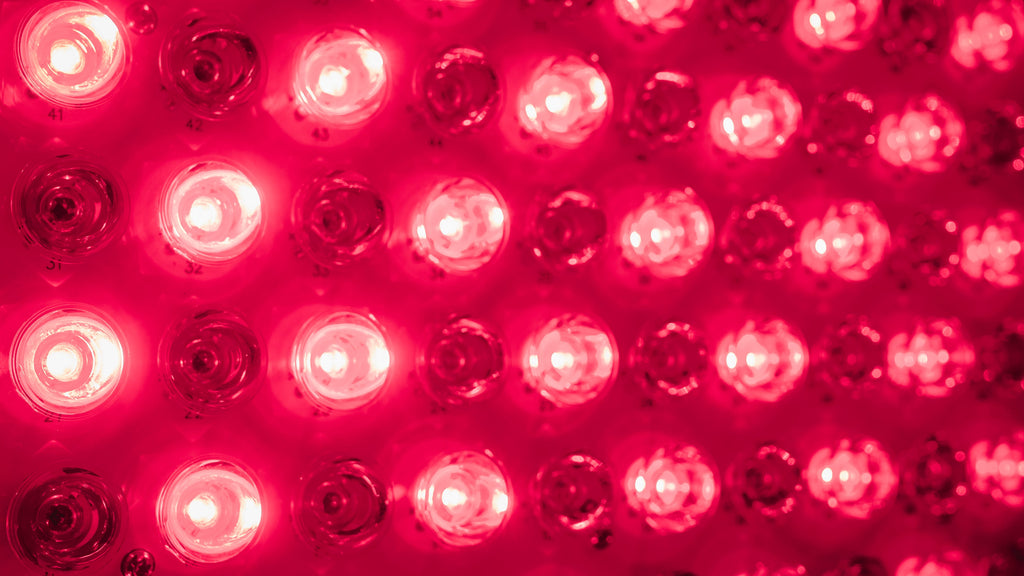
Red and near-infrared light penetrate the skin and are absorbed by mitochondria, the energy-producing structures inside cells.
More specifically, the light is absorbed by an enzyme in the mitochondria called cytochrome c oxidase, which plays a central role in the chain of reactions that produces cellular energy. By supporting that process, red light therapy encourages cells to generate more ATP — the molecule your body uses to power nearly everything it does. This interaction may help support:
- cellular energy production (ATP)
- circulation and oxygen delivery
- tissue repair processes
- overall recovery response
While the underlying biology is complex, the key takeaway is simple: red light therapy is designed to support how efficiently your body produces energy and recovers. When cells have more energy available, they're better equipped to carry out repair and maintenance — which is why the effects show up across so many different areas of the body. For a deeper look at the cellular mechanism, see our full breakdown on how red light boosts mitochondria.
Red Light vs Near-Infrared Light
Most modern devices use a combination of red and near-infrared wavelengths, each with different penetration depths.
| Light Type | Wavelength | Penetration | Primary Use |
|---|---|---|---|
| Red Light | 630–660 nm | Surface level | Skin and superficial tissue |
| Near-Infrared | 810–850 nm | Deeper tissue | Muscles, joints, and deep tissues |
The difference comes down to wavelength. Red light, with its shorter wavelength, is absorbed closer to the surface — ideal for skin tone, texture, and superficial tissue. Near-infrared is invisible to the eye and travels deeper, reaching the muscles and joints below. Using both wavelengths together allows a single device to target multiple layers of tissue at once, which is why quality panels are built around the pairing rather than a single wavelength.
 What About Blue Light?
While red and near-infrared light are commonly used to support deeper tissue function and recovery, blue light operates at a more surface level.
Blue light wavelengths — typically around 430 nm — are often used in skincare-focused routines to support skin clarity and balance. Because it works right at the surface, blue light is generally aimed at the outermost layer of the skin rather than the deeper tissue that red and near-infrared reach.
When combined with red and near-infrared light, this creates a more complete, multi-wavelength approach — supporting both surface-level skin concerns and deeper cellular processes. Modern light therapy devices increasingly integrate multiple wavelengths to deliver more versatile, full-spectrum treatment options.
Key Benefits of Red Light Therapy
Inflammation and Recovery
Red light therapy is commonly used to support recovery and help the body manage physical stress. By supporting circulation and calming the local inflammatory response, it helps create conditions in which tissue can repair more effectively — which is why it has become a fixture in recovery routines.
Read More: The full guide on red light therapy for inflammation and recovery →
Muscle Recovery and Performance
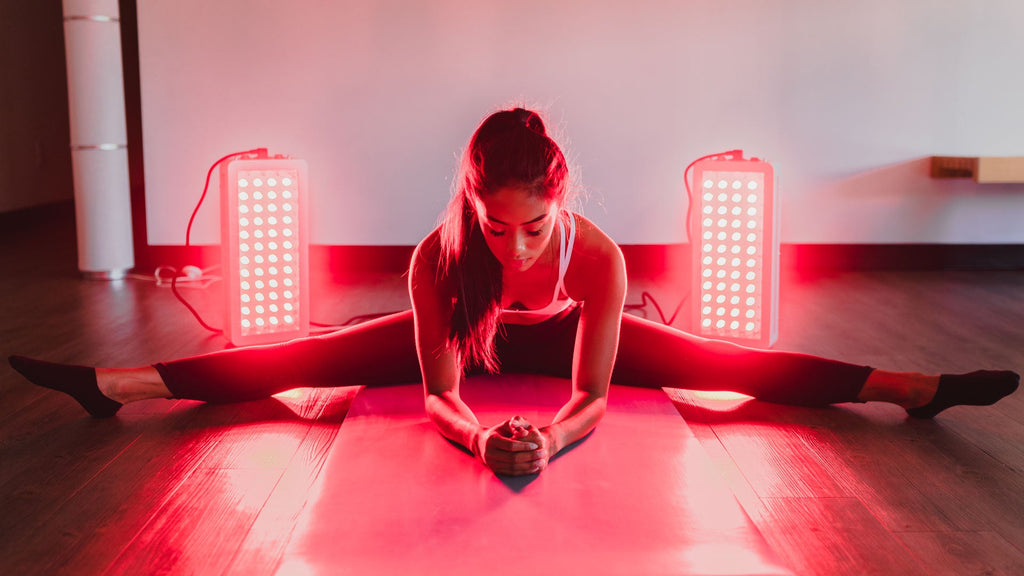
Many athletes incorporate red light therapy into their routines to support post-workout recovery and maintain performance consistency. The appeal is practical: less soreness between sessions means training quality holds up across a demanding block, rather than degrading as fatigue accumulates.
Read More: How red light therapy reduces delayed onset muscle soreness →
Skin Health
Red wavelengths are often used in skincare-focused routines to support collagen production and overall skin appearance — an area where controlled research has documented measurable improvements in skin texture and collagen density. Improved circulation to the skin's surface is part of what drives the brighter, more even appearance many people notice with consistent use.
Read More: How red light therapy supports skin health and collagen production →
Circulation
Light exposure may help support blood flow and oxygen delivery throughout the body. Better circulation means tissue receives more of the oxygen and nutrients it needs to function and repair — which underpins many of the recovery and skin benefits above, tying the whole picture together.
Red Light Therapy for Specific Concerns
Beyond general recovery, many people come to red light therapy for a particular reason. Because the underlying mechanisms — reduced inflammation, improved circulation, better cellular energy — apply across the body, the same technology shows up in a wide range of routines. Here's where to read more on the concerns people ask about most:
- Joint pain & arthritis — near-infrared light reaches the deeper structures of a sore knee or hip. Red light therapy for joint pain →
- Eczema — supporting a compromised skin barrier rather than simply hydrating it. Red light therapy for eczema →
- Rosacea — calming the inflammation and redness behind reactive skin. Red light therapy for rosacea →
- Hair thinning — supporting follicles that have slowed rather than stopped. Red light therapy for hair loss →
- Thyroid support — an emerging area with a genuinely mixed evidence base. Red light therapy and your thyroid →
- Eye health — the part most people get backwards, and the safety precautions that matter. Red light therapy and your eyes →
How Red Light Compares to a Spa Session
One question comes up constantly: if clinics and spas offer red light beds, why use a panel at home? The short answer is that the technology is the same — what differs is consistency and cost. A device you own gets used several times a week; a session you have to book and drive to rarely does, and the per-session spa cost adds up quickly. Since consistency is what drives results with light therapy, the at-home option often delivers more precisely because it's more convenient. We covered this in detail in why the spa red light bed isn't magic.
Beyond Light: Heat and Cupping
Light is one modality in a broader recovery toolkit, and it pairs naturally with two others. Far-infrared heat, delivered through an infrared sauna blanket, works thermally to raise core temperature and support circulation — complementary to light rather than a substitute for it. Cupping, meanwhile, uses suction to address fascia and localized tension. Many people build a routine that draws on all three depending on the day and the goal: light for cellular recovery, heat for whole-body circulation, and cupping for targeted tension.
How to Use Red Light Therapy
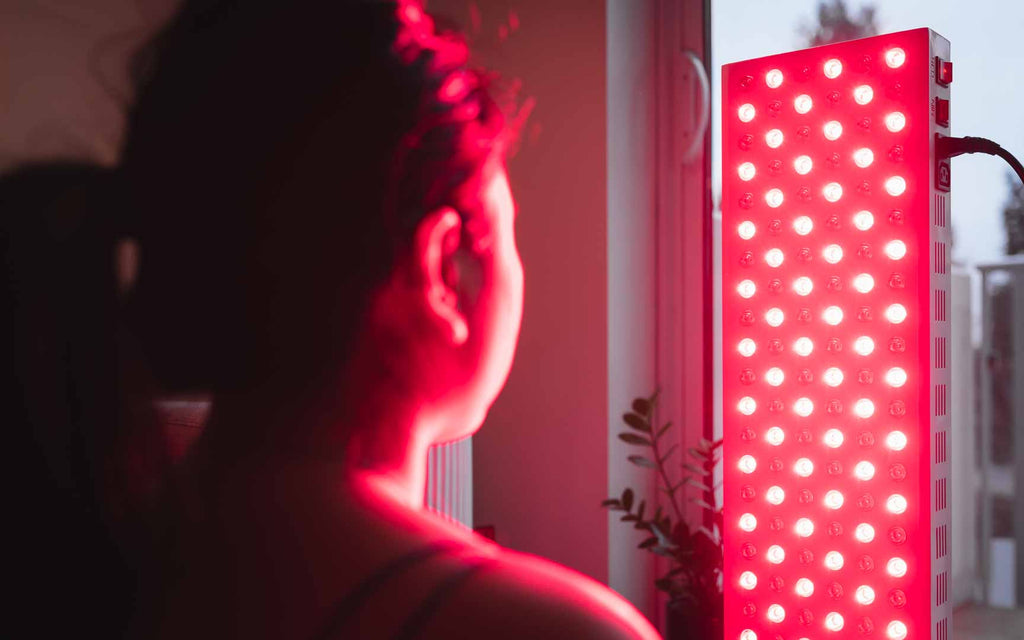
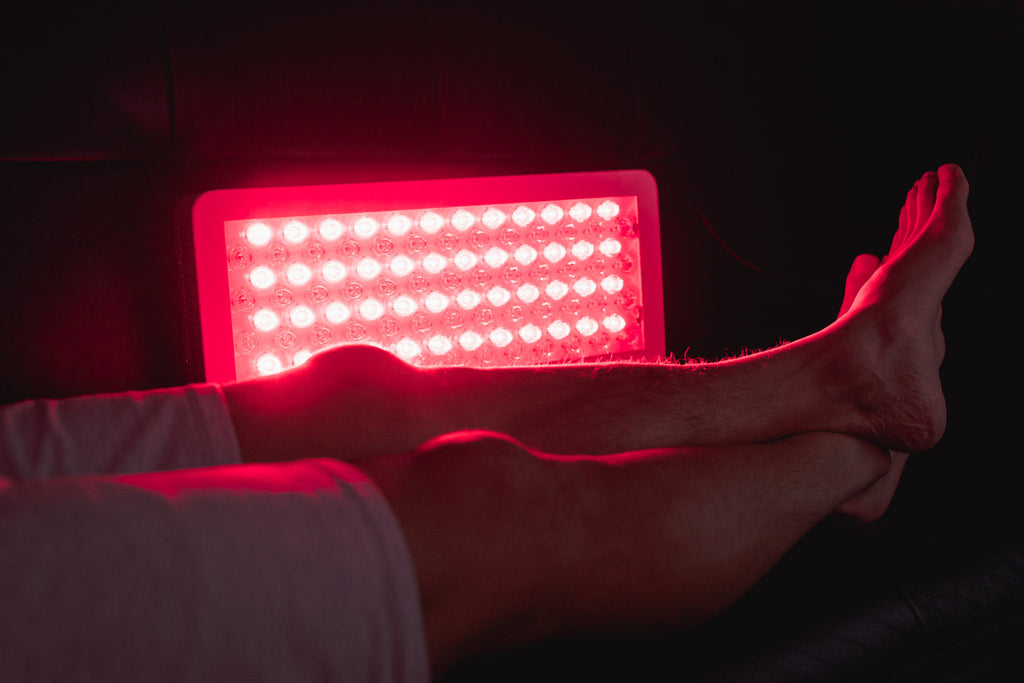
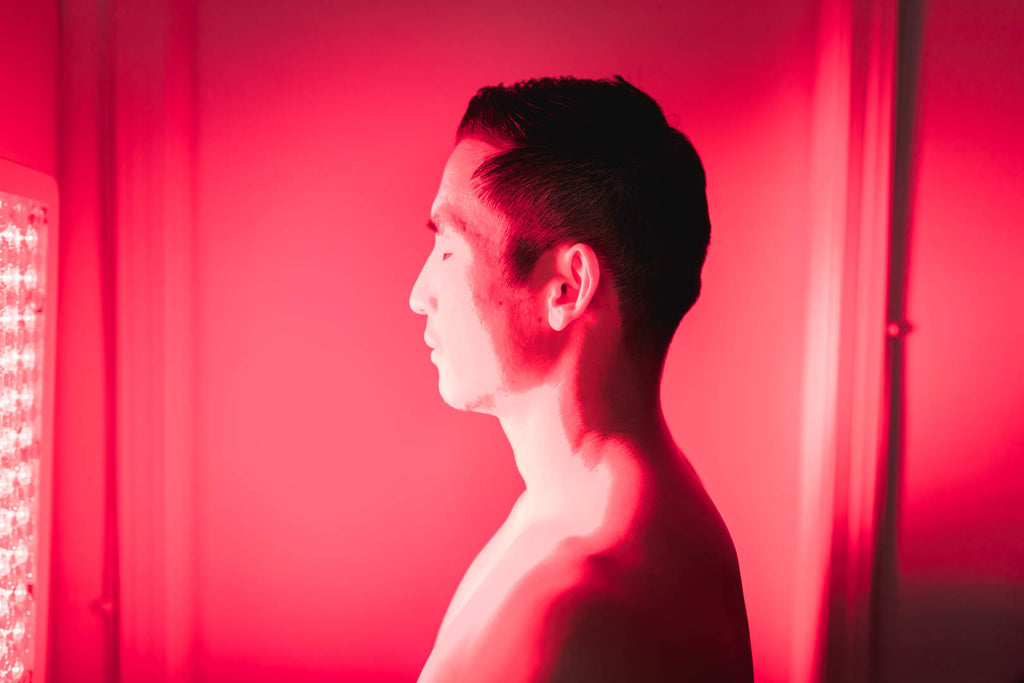
Most sessions involve exposing the body to light for a controlled period of time, typically 10–15 minutes per area.
General best practices include:
- consistent use several times per week
- maintaining proper distance from the device
- treating bare skin, since clothing blocks the wavelengths before they reach tissue
- targeting specific areas of the body
Usage may vary depending on individual goals and the type of device used. Distance is the variable people most often get wrong: too far away and the dose reaching the tissue drops off steeply, so close and consistent beats occasional and distant. Above all, consistency — more than session length — is what tends to unlock results over time. A few focused minutes several times a week outperforms an occasional long session.
Choosing a Red Light Therapy Device
Not all red light therapy devices are created equal. When selecting a device, it's important to consider:
- Wavelength accuracy — the device should deliver the specific wavelengths it claims, since being off by even a few nanometers changes how the light interacts with tissue.
- Irradiance (output power) — this determines how much light actually reaches you, and it's the spec most often exaggerated in cheaper devices.
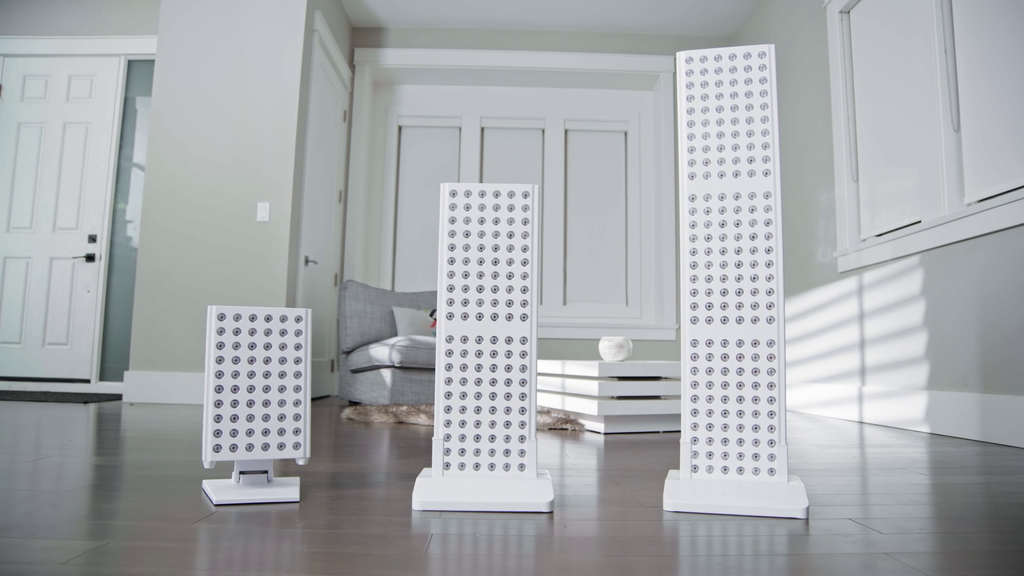
- Treatment coverage area — a larger panel treats more of the body at once, which matters for whole-body routines rather than spot treatment.
- Build quality and durability — a device you'll use several times a week for years needs to be built to last.
Higher-quality devices are designed to deliver consistent output across clinically relevant wavelengths — including red, near-infrared, and blue light — for a more complete treatment coverage.
Shop Orion Light Panels →Who Is Red Light Therapy For?
Red light therapy is commonly used by individuals looking to support recovery, performance, and overall wellness.
- athletes and active individuals
- fitness enthusiasts
- people focused on recovery and longevity
- those looking for non-invasive wellness tools
- individuals managing chronic joint pain
Frequently Asked Questions
How often should you use red light therapy?
Many users incorporate sessions several times per week or daily depending on their goals. Consistency over weeks matters more than any single long session.
Is red light therapy safe?
Red light therapy is generally considered non-invasive when used properly and according to device guidelines. The main exception is the eyes, which is worth reading up on separately.
How long does it take to see results?
Results can vary depending on consistency, individual response, and the specific use case. Recovery benefits are often felt within a week or two, while skin and tissue changes typically take several weeks of regular sessions.
Can you use red light therapy every day?
For most people and most uses, daily sessions are well within normal practice. Its reassuring safety profile is part of why so many people build it into a daily routine.
Read More: All FAQs →
The Future of Recovery
Red light therapy is emerging as a key tool in modern recovery and wellness routines. By supporting cellular function and circulation, it offers a simple and non-invasive way to enhance how the body recovers and performs.
As research and technology continue to evolve, red and near-infrared light are becoming increasingly integrated into both professional and at-home recovery strategies. Whether your focus is recovery, skin, or a specific concern, the right panel is the foundation of a routine you'll actually keep.